


Hey there! I'm a supplier of desiccant bags, and I'm super excited to share with you all about what these nifty little bags are made of.
Common Materials in Desiccant Bags
First off, let's talk about one of the most widely - used materials: silica gel. Silica gel is like a sponge for moisture. It's made from silicon dioxide, which is basically sand that's been processed in a special way. You've probably seen those small, clear or white beads in little packets inside new shoes or electronics.
Silica gel works by adsorbing moisture. The tiny pores in the silica gel beads attract water molecules, holding them inside. It's non - toxic, so it's safe to use in a wide range of products. This makes it a top choice for protecting things like leather goods, where you don't want any chemical reactions that could damage the material.
Another popular material is activated carbon. Activated carbon is made by heating carbon - rich materials like wood, coconut shells, or coal at high temperatures. This process creates a large surface area full of tiny pores, which can trap all sorts of things, not just moisture. It can also absorb odors and harmful chemicals.
In desiccant bags, activated carbon is great for keeping items fresh and odor - free. For example, if you're storing clothes in a closet, a desiccant bag with activated carbon can help prevent that musty smell that sometimes develops.
Now, let's move on to calcium chloride. Calcium chloride is a salt that's highly hygroscopic, which means it really loves to soak up water. It can absorb moisture from the air and turn it into a liquid. This makes it extremely effective in high - humidity environments.
Calcium chloride desiccants are often used in shipping containers. When goods are being transported across the ocean, the humidity levels can vary a lot, and this can cause damage to the products. Using a Chemical Powder Calcium Chloride Desiccant For Container Use can help keep the inside of the container dry and protect the goods.
The Packaging of Desiccant Bags
The material of the bag itself is also important. Most desiccant bags are made from non - woven fabric. Non - woven fabric is a type of material that's made by bonding or entangling fibers together instead of weaving them. It's porous, which allows moisture to pass through easily and reach the desiccant material inside.
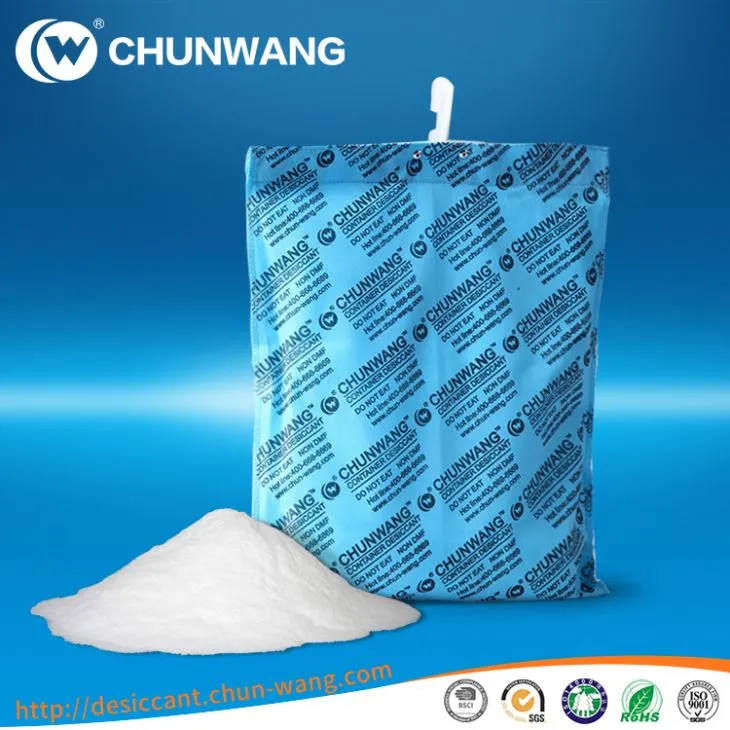

Some desiccant bags also use Tyvek. Tyvek is a brand of synthetic paper made from high - density polyethylene fibers. It's strong, tear - resistant, and breathable. It's a great choice for desiccant bags because it can protect the desiccant from physical damage while still allowing moisture to be absorbed.
Specialized Desiccant Bags
There are also some specialized desiccant bags for specific industries. For example, in the readymade garment industry, Readymade Garment Use Desiccant For Carton Storage With Calcium Chloride Absorbent are very useful. These bags are designed to keep the clothes dry during storage, preventing mold and mildew growth.
In the electronics industry, anti - static desiccant bags are used. These bags not only absorb moisture but also prevent static electricity from building up, which can damage sensitive electronic components.
Why You Should Choose Our Desiccant Bags
As a desiccant bag supplier, I can tell you that our products are top - notch. We use high - quality materials to ensure maximum moisture absorption. Our High Quality Desiccant Bag is designed to meet the needs of different customers.
Whether you're shipping goods overseas, storing clothes, or protecting electronics, we have the right desiccant bag for you. Our bags are tested to ensure they perform well in various conditions.
How to Choose the Right Desiccant Bag
When choosing a desiccant bag, you need to consider a few things. First, think about the environment where the desiccant will be used. If it's a high - humidity area, a calcium chloride desiccant might be the best choice. If you're worried about odors, an activated carbon desiccant could be a good option.
Also, consider the size of the area you need to protect. Larger areas will require more powerful desiccants or multiple desiccant bags.
Let's Connect!
If you're in the market for desiccant bags, I'd love to have a chat with you. Whether you have questions about the materials, need help choosing the right product, or want to place an order, don't hesitate to reach out. We're here to provide you with the best desiccant solutions for your needs.
References
- "Handbook of Desiccants" by A. S. Mujumdar
- "Moisture Control in Packaging" by Packaging Research Institute


