
In the world of culinary arts, stocks and broths are the unsung heroes, adding depth, flavor, and richness to a wide array of dishes. Whether you're a professional chef or a home cook, having a supply of well - preserved stocks and broths on hand can significantly elevate your cooking game. One question that often arises is whether a food preserver can be used for preserving stocks and broths. As a food preserver supplier, I'm here to explore this topic in detail.
The Importance of Preserving Stocks and Broths
Stocks and broths are time - consuming to make. They involve simmering bones, vegetables, and herbs for hours to extract all the delicious flavors and nutrients. Once you've created a batch, it's essential to preserve it properly to ensure its longevity and quality. Preserving stocks and broths not only saves you time in the future but also allows you to enjoy the full flavor and nutritional benefits at your convenience.
How Food Preservers Work
Food preservers are designed to extend the shelf life of food by creating an environment that inhibits the growth of bacteria, mold, and other microorganisms. There are different types of food preservers, including vacuum sealers, canners, and oxygen absorbers.


Vacuum Sealers
Vacuum sealers work by removing the air from a container or bag, creating a vacuum. This process reduces the amount of oxygen available, which in turn slows down the oxidation and spoilage of food. When it comes to stocks and broths, vacuum sealing can be an effective method. By removing the air, you prevent the growth of aerobic bacteria that thrive in the presence of oxygen. This helps to maintain the freshness and flavor of the stocks and broths for a longer period.
Canners
Canners use heat to kill bacteria and other microorganisms in food. Pressure canners are particularly effective for preserving stocks and broths. The high - pressure environment created in a pressure canner allows the contents to reach a temperature high enough to destroy harmful bacteria, such as Clostridium botulinum, which can cause botulism. Canning also creates a hermetic seal, preventing any new bacteria from entering the container.
Oxygen Absorbers
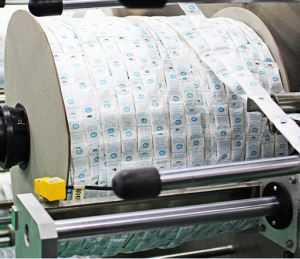
Oxygen absorbers are small packets that contain iron powder or other oxygen - absorbing materials. When placed in a sealed container, they react with the oxygen inside, removing it and creating an oxygen - free environment. This is crucial for preserving stocks and broths because oxygen can cause oxidation, which leads to off - flavors, color changes, and a decrease in nutritional value. For example, the Competitive Price Oxygen Absorber For Food Packaging is a great option for those looking to preserve stocks and broths. It effectively removes oxygen from the packaging, keeping the contents fresh for an extended period.
Benefits of Using a Food Preserver for Stocks and Broths
- Extended Shelf Life: By using a food preserver, you can significantly extend the shelf life of your stocks and broths. Vacuum - sealed stocks and broths can last for several months in the freezer, while canned stocks and broths can last for up to a year or more.
- Maintained Quality: Food preservers help to maintain the quality of stocks and broths. They prevent the growth of bacteria and mold, which can cause spoilage and off - flavors. Additionally, by reducing oxygen exposure, they prevent oxidation, which can lead to a loss of flavor and nutritional value.
- Convenience: Having a supply of well - preserved stocks and broths on hand makes cooking more convenient. You can quickly add them to your recipes without having to spend time making fresh stocks and broths every time.
Considerations When Using a Food Preserver for Stocks and Broths
- Proper Preparation: Before using a food preserver, it's important to properly prepare the stocks and broths. This includes straining them to remove any solids, allowing them to cool completely, and then transferring them to the appropriate containers.
- Container Selection: Choose the right containers for preserving stocks and broths. For vacuum sealing, use high - quality vacuum - sealable bags or containers. For canning, use jars specifically designed for canning. Make sure the containers are clean and dry before use.
- Storage Conditions: After preserving the stocks and broths, store them in a cool, dark place. If you're using a freezer, make sure it's set to the appropriate temperature. For canned stocks and broths, store them in a pantry or cupboard away from direct sunlight.
Real - World Applications
Let's take a look at some real - world examples of how food preservers can be used to preserve stocks and broths.
Professional Kitchens
In professional kitchens, time is of the essence. Chefs often make large batches of stocks and broths in advance and then preserve them using food preservers. This allows them to have a consistent supply of high - quality stocks and broths on hand at all times. For example, a busy restaurant might use a combination of vacuum sealers and oxygen absorbers to preserve their chicken and beef stocks. The Oxygen Removal Absorber Packets 1000cc can be used to remove oxygen from large containers of stocks, ensuring their freshness and quality.
Home Cooks
Home cooks can also benefit from using food preservers to preserve stocks and broths. For example, you might make a large batch of vegetable broth on the weekend and then use a vacuum sealer to store it in the freezer. This way, you can have a ready - made supply of broth for soups, stews, and other dishes throughout the week.
Conclusion
In conclusion, a food preserver can definitely be used for preserving stocks and broths. Whether you choose a vacuum sealer, a canner, or oxygen absorbers, these tools can help you extend the shelf life of your stocks and broths, maintain their quality, and make cooking more convenient. As a food preserver supplier, we offer a wide range of products, including the Competitive Price Food Grade Oxygen Scavengers For Food Packing, to meet your needs.
If you're interested in purchasing our food preservers or oxygen absorbers for preserving your stocks and broths, we invite you to contact us for a detailed discussion. Our team of experts is ready to assist you in finding the right products for your specific requirements.
References
- "The Science of Cooking: Understanding the Biology and Chemistry Behind Food and Cooking" by Simon Quellen Field.
- "Preserving Food without Freezing or Canning: Traditional Techniques Using Salt, Oil, Sugar, Alcohol, Vinegar, Drying, Cold Storage, and Lactic Fermentation" by Linda Ziedrich.