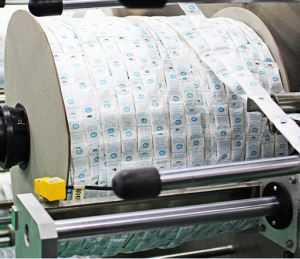

Can unit desiccants be used in food packaging? That's a question I get asked a lot as a unit desiccant supplier. And the short answer is yes, they can be used, but there are some important things to consider.
Let's start with what unit desiccants are. Unit desiccants are small packets or sachets filled with a desiccant material. These materials are designed to absorb moisture from the surrounding environment. In the context of food packaging, they play a crucial role in extending the shelf - life of food products.
Moisture is the enemy of many food items. It can cause mold growth, spoilage, and a change in texture and taste. For example, if you have a bag of chips, excess moisture can make them soggy. In the case of dry fruits, it can lead to the growth of fungi. That's where unit desiccants come in handy.
One of the most common types of desiccants used in food packaging is the Mineral Natural Active Clay Desiccant. This desiccant is made from natural clay, which is a non - toxic and environmentally friendly material. It has a high capacity for absorbing moisture, and it's relatively inexpensive.
The 1000g Non - toxic Mineral Desiccant is another great option. As the name suggests, it's non - toxic, which is a must - have when it comes to food packaging. This desiccant can be used in larger food packages where a greater amount of moisture needs to be absorbed.
Another type of desiccant that's often used is the Bentonite Clay Desiccant Regeneration /activation Environmental, RoHS, Mil - D - 3464E Approved. Bentonite clay is known for its excellent moisture - absorbing properties. It can be regenerated, which means it can be reused after it has reached its moisture - absorbing capacity. This is not only cost - effective but also environmentally friendly.
Now, when using unit desiccants in food packaging, there are some safety regulations that need to be followed. The desiccant materials must be non - toxic and food - grade. They should not release any harmful substances into the food. Also, the packaging of the desiccant should be designed in such a way that it prevents the desiccant from coming into direct contact with the food.
Most desiccants come in small sachets that are sealed. These sachets are made of a porous material that allows moisture to pass through but keeps the desiccant inside. This ensures that the desiccant does its job without contaminating the food.
There are also different sizes of unit desiccants available. The size you choose depends on the size of the food package and the amount of moisture that needs to be absorbed. For small food items like individual snack packs, smaller desiccant sachets are sufficient. For larger packages, like bulk food containers, larger desiccant units are required.
It's important to note that unit desiccants are not a one - size - fits - all solution. Different types of food have different moisture requirements. For example, dry foods like cereals and crackers need a desiccant that can absorb a large amount of moisture quickly. On the other hand, foods with a higher moisture content, like some types of cheeses, may require a desiccant that can maintain a more stable humidity level.
In addition to clay - based desiccants, there are other types of desiccants that can be used in food packaging. Silica gel is a popular choice. It's a highly porous material that can absorb a significant amount of moisture. It's also non - toxic and has a long shelf - life.
Calcium chloride is another desiccant that can be used. It's a powerful moisture absorber, but it needs to be used with caution as it can be corrosive if it comes into contact with certain materials.
When it comes to choosing the right unit desiccant for your food packaging, it's important to do some research. Consider the type of food, the packaging size, and the storage conditions. You may also want to consult with a desiccant expert to ensure that you're making the best choice.
As a unit desiccant supplier, I've seen firsthand the benefits of using desiccants in food packaging. They can significantly extend the shelf - life of food products, reduce waste, and improve the overall quality of the food.


If you're in the food packaging industry and are looking for a reliable unit desiccant solution, I'd love to talk to you. Whether you need a small - scale desiccant for individual food items or a large - scale solution for bulk packaging, we can provide you with the right product. Feel free to reach out and start a conversation about your specific needs.
References
- Food Packaging Technology: Principles and Practice, Second Edition by Yam and Lee
- Handbook of Food Preservation, Third Edition by Sun