
Photosynthesis is a fundamental biological process that plays a crucial role in the oxygen cycle on Earth. It involves the conversion of light energy, water, and carbon dioxide into glucose and oxygen. However, in the context of oxygen removal, photosynthesis - based methods can be harnessed in a unique way. In this blog, we will explore the mechanism of oxygen removal by photosynthesis - based methods, and also introduce our offerings as an oxygen removal supplier.
The Basics of Photosynthesis
Photosynthesis occurs in the chloroplasts of plants, algae, and some bacteria. The overall chemical equation for photosynthesis is (6CO_{2}+6H_{2}O + \text{light energy}\rightarrow C_{6}H_{12}O_{6}+6O_{2}). This process is divided into two main stages: the light - dependent reactions and the light - independent reactions (Calvin cycle).
In the light - dependent reactions, light energy is absorbed by chlorophyll and other pigments in the thylakoid membranes of the chloroplast. This energy is used to split water molecules into oxygen, protons, and electrons. The oxygen is released into the atmosphere as a by - product, while the protons and electrons are used to generate ATP (adenosine triphosphate) and NADPH (nicotinamide adenine dinucleotide phosphate), which are energy - rich molecules.


The light - independent reactions, or the Calvin cycle, take place in the stroma of the chloroplast. Here, carbon dioxide is fixed into organic molecules using the ATP and NADPH produced in the light - dependent reactions. Glucose and other carbohydrates are synthesized during this stage.
Mechanism of Oxygen Removal by Photosynthesis - Based Methods
While photosynthesis is typically associated with oxygen production, it can be used for oxygen removal in specific setups. One way is through the manipulation of the photosynthetic organisms' environment.
In a closed system, such as a sealed container, photosynthetic organisms can be used to consume oxygen under certain conditions. When the light is turned off, the photosynthetic organisms switch from photosynthesis to respiration. During respiration, they consume oxygen and release carbon dioxide, similar to other living organisms. The equation for respiration is (C_{6}H_{12}O_{6}+6O_{2}\rightarrow 6CO_{2}+6H_{2}O+\text{energy}).
Another approach is to use genetically modified photosynthetic organisms. Scientists can engineer these organisms to have altered metabolic pathways. For example, they can modify the genes involved in the photosynthetic process to redirect the flow of energy and metabolites in a way that reduces oxygen production or even consumes oxygen directly.
Some photosynthetic bacteria can be used in anaerobic conditions. These bacteria can perform photosynthesis without producing oxygen. They use alternative electron donors, such as hydrogen sulfide, instead of water. By culturing these bacteria in an environment where oxygen needs to be removed, they can effectively consume oxygen and other substances while carrying out their metabolic processes.
Our Offerings as an Oxygen Removal Supplier
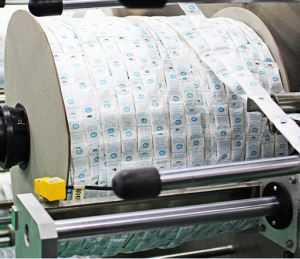
As an oxygen removal supplier, we offer a range of high - quality products to meet the diverse needs of our customers. Our Wholesale Fda Food Grade Deoxidizing Agent is designed to remove oxygen from food packaging, extending the shelf life of various food products. It is FDA - approved, ensuring its safety for use in the food industry.
We also provide 100cc Oxygen Absorbers For Food Storage. These absorbers are ideal for small - scale food storage applications. They are highly efficient in removing oxygen, preventing oxidation and spoilage of food items such as grains, nuts, and dried fruits.
For larger - scale applications, our 200cc Chunwang Food Grade Oxygen Absorbers are a great choice. These absorbers can effectively remove oxygen from large containers or storage areas, maintaining the quality and freshness of food products.
Applications of Oxygen Removal
Oxygen removal is crucial in many industries. In the food industry, it helps to prevent the oxidation of fats, oils, and other components in food products. Oxidation can lead to off - flavors, color changes, and the growth of microorganisms, reducing the shelf life of food. By using our oxygen removal products, food manufacturers can ensure that their products remain fresh and of high quality for a longer period.
In the pharmaceutical industry, oxygen can cause the degradation of drugs. Oxygen removal helps to maintain the stability and efficacy of pharmaceutical products. Our products can be used in the packaging of drugs to protect them from oxygen - induced degradation.
In the electronics industry, oxygen can cause corrosion of electronic components. By removing oxygen from the packaging of electronic devices, we can prevent corrosion and extend the lifespan of these components.
Contact Us for Purchase and Consultation
If you are interested in our oxygen removal products or have any questions about the mechanism of oxygen removal, please feel free to contact us. We have a team of experts who can provide you with detailed information and guidance on choosing the right oxygen removal solution for your specific needs. Whether you are a small - scale business or a large - scale industrial user, we are committed to providing you with high - quality products and excellent customer service.
References
- Campbell, N. A., & Reece, J. B. (2005). Biology (7th ed.). Pearson Benjamin Cummings.
- Taiz, L., & Zeiger, E. (2010). Plant Physiology (5th ed.). Sinauer Associates.
- Blankenship, R. E. (2014). Molecular Mechanisms of Photosynthesis. Wiley - Blackwell.