
Hey there! As a supplier of O2 absorbers, I often get asked about whether these little guys have any side effects. Let's dig into this topic and find out the real deal.
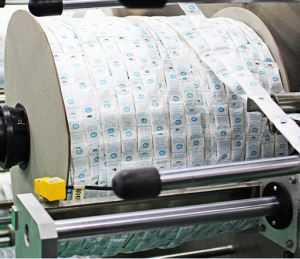
First off, let's understand what O2 absorbers are. They're these nifty little packets that are designed to remove oxygen from a sealed environment. You've probably seen them in food packages, like those snack bags or even in pet food containers. The main goal is to extend the shelf - life of products by preventing oxidation, which can lead to spoilage, discoloration, and a loss of flavor.
Now, onto the big question: do they have any side effects? Well, in most cases, O2 absorbers are incredibly safe. They're made from materials that are non - toxic and food - grade. The most common type of O2 absorber contains iron powder. When iron reacts with oxygen, it forms iron oxide, effectively removing oxygen from the surrounding air. This process is completely natural and doesn't introduce any harmful substances into the products they're protecting.
For example, if you're using an Oxygen Absorber 1000cc For Pet Foods, it's specifically designed to keep your furry friend's food fresh. The absorber works quietly in the background, ensuring that the food doesn't go bad as quickly. There's no risk of it leaching any dangerous chemicals into the pet food, so you can rest easy knowing your pet is safe.
Similarly, the Made In China FDA Approval Oxygen Absorber For Beef Jecky is a great option for preserving beef jerky. With FDA approval, you know that it meets strict safety standards. The absorber helps maintain the color, flavor, and texture of the beef jerky, and there are no side effects for the consumer.
But what about if someone accidentally ingests an O2 absorber? While it's not something that should happen, it's important to know what to do. Ingesting a small amount of an O2 absorber is generally not life - threatening. However, it can cause some mild gastrointestinal discomfort, like nausea or vomiting. It's always a good idea to seek medical advice if this happens, but in most cases, the body will pass the absorber without any major issues.
Another aspect to consider is the environmental impact. O2 absorbers are a great way to reduce food waste. By extending the shelf - life of products, less food ends up in landfills. And since they're made from relatively simple materials, they can be disposed of in an environmentally friendly way.
Now, let's talk about the benefits of using O2 absorbers. They not only help with food preservation but also enhance the overall quality of the products. The Oxygen Absorber For A Better Smell, Colour And Taste does exactly what it says. It keeps the food looking, smelling, and tasting great for longer. Whether it's a bag of coffee beans or a box of cookies, an O2 absorber can make a big difference.
In some industries, like the pharmaceutical and electronics sectors, O2 absorbers are also used. In pharmaceuticals, they help keep medications stable by preventing oxidation. In electronics, they protect sensitive components from moisture and oxygen damage.
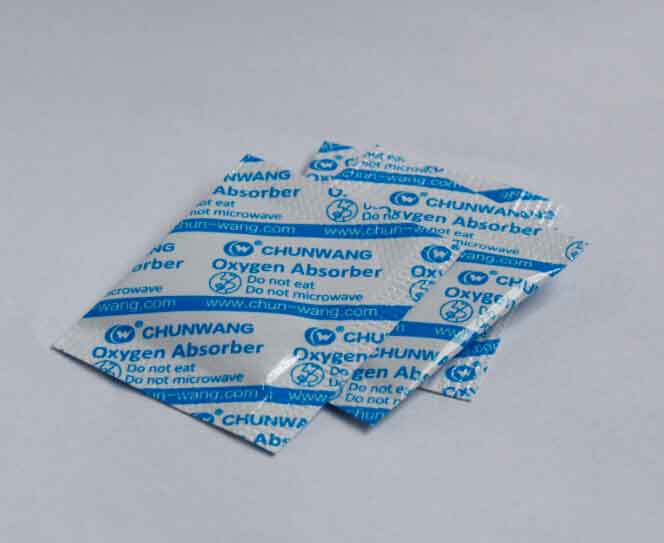

One thing to note is that O2 absorbers need to be used correctly. They should be placed in a sealed container to work effectively. If the container isn't airtight, the absorber will keep working until it's exhausted, but it won't be as efficient. Also, make sure to handle them with clean hands to avoid contamination.
So, to sum it up, O2 absorbers are generally very safe and don't have any significant side effects when used as intended. They offer a range of benefits, from extending the shelf - life of products to improving their quality.
If you're in the market for O2 absorbers for your business or personal use, I'd love to have a chat. Whether you're a food manufacturer, a pet food producer, or just someone looking to keep your pantry items fresh, we can find the right O2 absorber solution for you. Don't hesitate to reach out and start a conversation about your specific needs.
References:
- General knowledge about O2 absorbers from industry experience.
- Information on the safety and usage of O2 absorbers from relevant food safety and packaging resources.