
Hey there! I'm a supplier for a BSCI factory, and today I wanna chat about how we manage our inventory. It's a crucial part of running a successful business, and I'll share some of the strategies and practices we use.
First off, let's talk about why inventory management is so important. In a BSCI factory, we need to ensure that we have the right products in the right quantities at the right time. This helps us meet customer demands, reduce costs, and maintain a good reputation. If we have too much inventory, we're tying up capital and risking spoilage or obsolescence. On the other hand, if we have too little inventory, we might miss out on sales opportunities and disappoint our customers.
One of the key steps in inventory management is forecasting. We use historical sales data, market trends, and customer feedback to predict how much of each product we'll need in the future. This helps us plan our production and procurement activities. For example, if we notice that sales of a particular product are increasing steadily, we can increase our production and order more raw materials to meet the demand.
Another important aspect of inventory management is categorization. We divide our inventory into different categories based on factors like demand, value, and lead time. This allows us to focus our attention and resources on the most critical items. For instance, we might have a category for high-value items that require special handling or storage, and another category for low-value items that can be replenished quickly.
We also use a system called the Economic Order Quantity (EOQ) to determine the optimal order quantity for each product. The EOQ takes into account factors like the cost of ordering, the cost of holding inventory, and the demand rate. By calculating the EOQ, we can minimize the total cost of inventory management.
In addition to forecasting and categorization, we also have a system for monitoring and controlling our inventory levels. We use inventory management software to track the movement of goods in and out of our warehouse. This allows us to see at a glance how much inventory we have on hand, where it's located, and when it needs to be replenished. We also conduct regular physical inventory counts to ensure that our records are accurate.


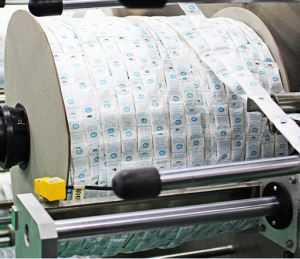
Now, let's talk about some of the specific products we manage in our BSCI factory. One of our popular products is the 20cc Oil-proof Oxygen Absorber For Food Packing. This oxygen absorber is designed to remove oxygen from food packaging, which helps to extend the shelf life of the product. It's oil-proof, so it can be used with a variety of food products, including snacks, nuts, and dried fruits.
Another product we offer is the 30g Oxygen Absorber Deoxidiser. This deoxidiser is larger than the 20cc absorber and is suitable for use in larger food packages. It's also effective at removing oxygen and preventing the growth of mold and bacteria.
We also have a range of Oxygen Absorbers 500cc In Food Preservation. These absorbers are designed for use in large-scale food production and storage. They can remove a significant amount of oxygen from the environment, which helps to preserve the quality and freshness of the food.
To manage the inventory of these products, we follow a strict process. We keep track of the incoming and outgoing stock, and we make sure that we have enough inventory on hand to meet customer demand. We also work closely with our suppliers to ensure that we can get the products we need in a timely manner.
In conclusion, managing inventory in a BSCI factory is a complex but essential task. By using forecasting, categorization, and monitoring techniques, we can ensure that we have the right products in the right quantities at the right time. This helps us to meet customer demands, reduce costs, and maintain a competitive edge in the market.
If you're interested in learning more about our products or have any questions about inventory management, please feel free to reach out. We're always happy to help and look forward to the opportunity to discuss your procurement needs.
References:
- Inventory Management: Principles and Practices by Robert Monczka, Robert Handfield, and Larry Giunipero
- Supply Chain Management: Strategy, Planning, and Operations by Sunil Chopra and Peter Meindl